

Meta Description:
Explore the latest trends shaping AI jobs in 2026. Learn how roles are evolving, what skills matter most, and how to stay relevant in an AI-driven workforce.
The Changing Landscape of Work in 2026
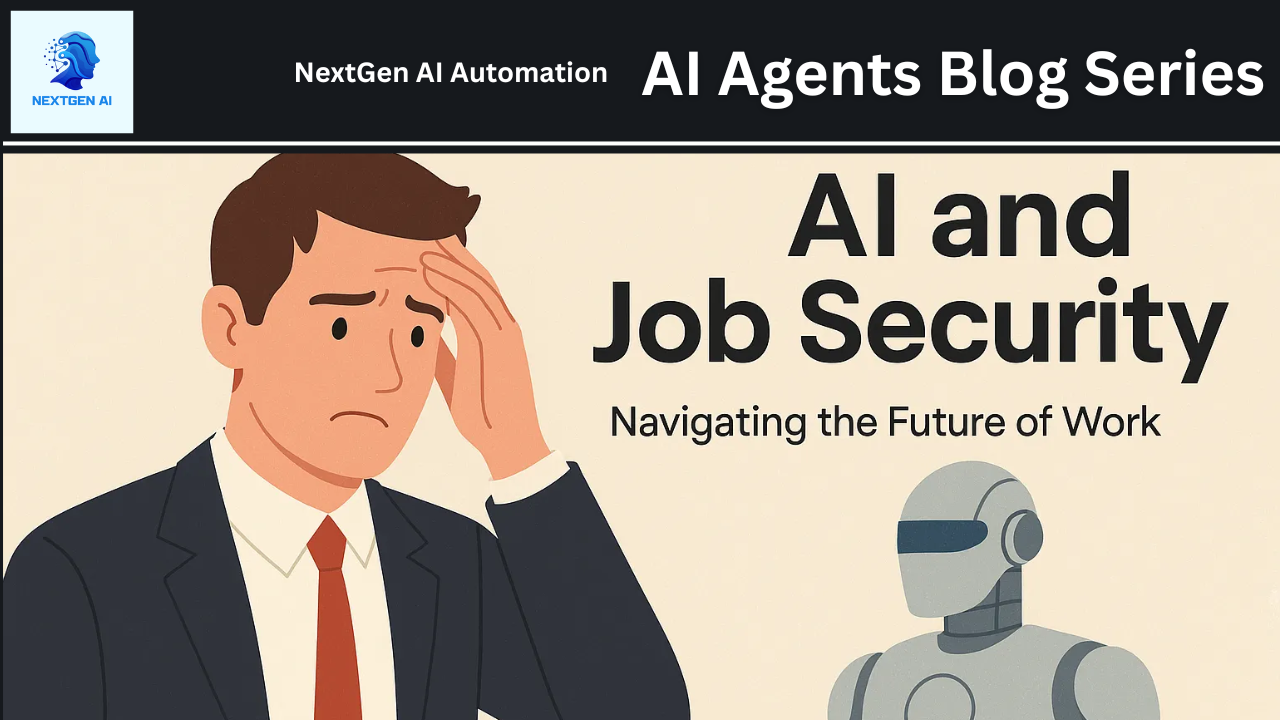
AI jobs in 2026 are no longer defined by fear or uncertainty. A few years ago, automation was widely seen as a threat to employment and long-term career stability.
Today, the reality is very different.
Artificial intelligence has evolved into a powerful support system that enhances productivity, improves decision-making, and simplifies complex processes. Instead of replacing human effort, it is transforming how work is approached across industries.
The biggest shift is not about losing jobs—it’s about changing how value is created.
From Fixed Roles to Flexible Skills
Traditional job roles are becoming less rigid. Professionals are now expected to adapt, learn quickly, and handle multiple responsibilities.
For example:
- Marketers now rely on data-driven insights and automation
- Writers streamline research, editing, and ideation
- Educators personalize learning experiences using intelligent tools
This shift highlights the importance of flexibility, curiosity, and continuous learning.
Companies are increasingly prioritizing skills over titles, which means your ability to evolve matters more than your job description.
The Rise of Hybrid Careers
A major trend in 2026 is the emergence of hybrid careers.
These roles combine domain expertise with the ability to work effectively alongside intelligent systems.
Examples include:
- Workflow designers managing automated processes
- System planners structuring outputs for consistency
- Content creators scaling production with automation
- Consultants helping businesses implement smarter solutions
These roles are expanding across industries—not just in technology, but also in healthcare, education, media, and retail.
From Task Execution to System Design
Work is no longer just about completing tasks manually.
Instead, professionals are focusing on building systems that handle repetitive processes efficiently.
For instance:
A content strategist can design a workflow that generates, edits, and publishes content with minimal effort.
This shift allows individuals to spend more time on:
- Strategy
- Creativity
- Problem-solving
In many ways, the focus has moved from doing the work to designing how the work gets done.
Skills That Truly Matter Now
To stay relevant in today’s environment, certain skills are becoming essential:
- Systems Thinking – understanding how different processes connect
- Tool Integration – combining platforms into smooth workflows
- Critical Evaluation – reviewing outputs for accuracy and relevance
- Clear Communication – explaining complex ideas simply
- Continuous Learning – adapting to constant change
These skills help professionals move beyond basic usage and apply technology more effectively in real-world scenarios.
The Expansion of Independent Work
Freelancers and independent professionals are also benefiting from these advancements.
With automation, individuals can:
- Manage multiple clients simultaneously
- Reduce repetitive manual work
- Deliver faster and more consistent results
This has led to the rise of independent professionals running scalable, efficient operations—often without large teams.
Challenges to Consider
Despite the progress, challenges still exist.
Many people use AI tools at a surface level, limiting their potential. There are also concerns around:
- Data privacy
- Ethical usage
- Workforce adaptation
Bridging this gap requires deeper understanding, practical experience, and responsible implementation.
A Practical Way Forward
You don’t need drastic changes to stay competitive.
Start with small, consistent steps:
- Use AI tools in your daily tasks
- Automate repetitive processes
- Experiment with simple workflows
- Focus on outcomes rather than effort
- Keep learning and adapting
Over time, these habits build a strong foundation for long-term growth.
Conclusion
AI jobs will continue to evolve, but success depends on adaptability.
Those who learn how to work effectively with intelligent systems will stay ahead. The future of work is not about doing more—it’s about working smarter, building efficient systems, and continuously evolving with change.
Further Exploration
https://www.nextgenaiautomation.net/