

Meta Description
RAG (Retrieval-Augmented Generation) is one of the most in-demand AI skills in 2026. Learn how it improves accuracy, reduces hallucinations, and powers real-world systems.
AI Sounds Smart—But Is It Always Right?
Let’s be honest.
AI can sound incredibly convincing. It writes smoothly, explains clearly, and even feels confident.
But every now and then, it gets things wrong.
Not in an obvious way, but in a subtle, almost believable way. A statistic that doesn’t exist. A fact that sounds right but isn’t. An answer that feels complete, but misses context.
And that’s where the real problem begins.
Because when it is wrong, it doesn’t always look wrong.
This is exactly why a new skill is gaining attention in 2026:
RAG — Retrieval-Augmented Generation.
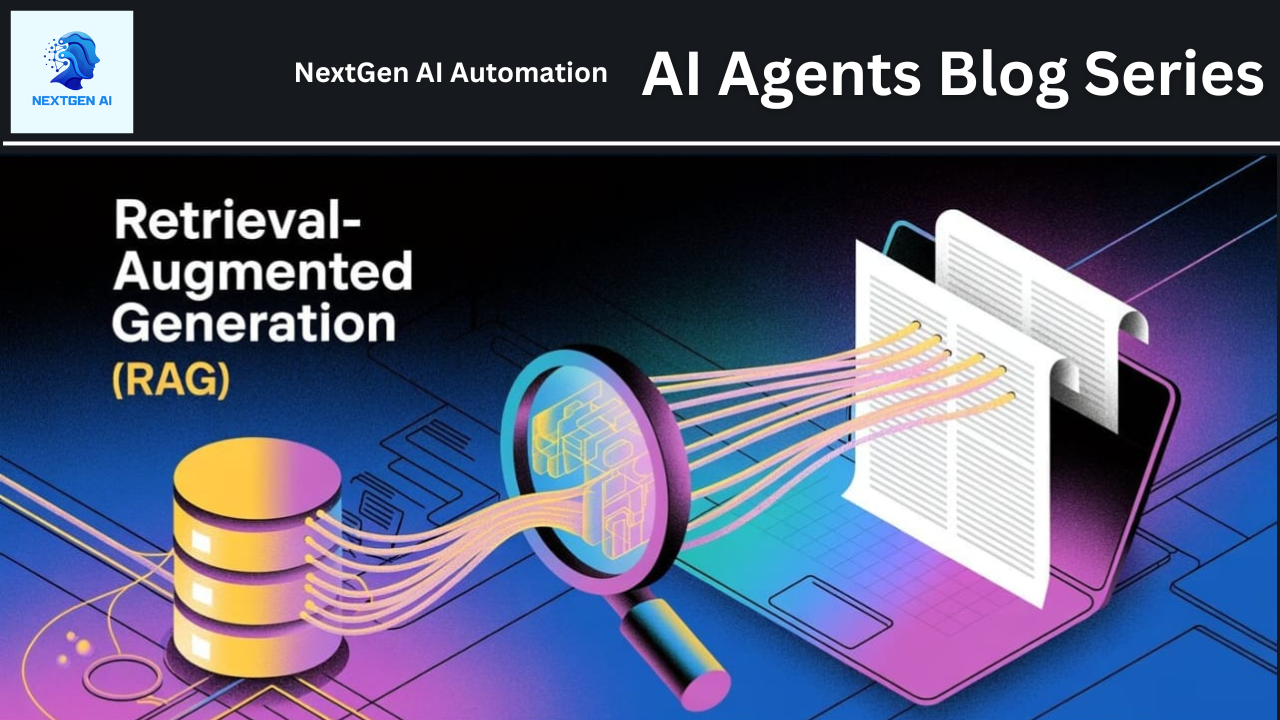
So, What Is RAG (Without the Jargon)?
Think of it like this.
Normally, these systems answer based on what they already “know.” But with this approach, it doesn’t rely only on memory—it looks things up before answering.
It finds relevant information, uses that information, and then generates a response.
It’s a simple shift, but a powerful one.
Instead of guessing, responses are now grounded in real data.
Why This Suddenly Matters So Much
As more people start using these tools for serious work—reports, research, and business decisions—accuracy becomes non-negotiable.
You can’t afford wrong insights, outdated information, or confident but incorrect answers.
And that’s exactly what this approach helps fix.
It makes outputs more reliable, more current, and more useful in real-world situations.
In fact, there’s a growing push toward building systems that don’t just generate content, but actually work with live data and real sources:
https://timesofindia.indiatimes.com/education/build-production-ready-ai-systems-with-agentic-ai-and-rag-advanced-certification-by-iitm-pravartak/articleshow/130547556.cms
The Real Shift: From Smart to Trustworthy
Here’s the difference.
Without it, you get a quick answer.
With it, you get a grounded answer.
That one change transforms everything.
Because now, you’re not just getting speed—you’re getting confidence in what you’re reading.
And in many cases, that matters more than speed.
Where You’re Already Seeing This (Even If You Don’t Notice)
This approach is quietly becoming part of many systems around us.
Customer support tools pull answers from company documents, search tools provide direct and accurate responses, and assistants reference internal knowledge bases.
In all these cases, it isn’t guessing.
It’s pulling from real information before responding.
That’s RAG in action.
The Skill Most People Are Missing
Here’s what’s interesting.
Most people are focused on writing better prompts, trying new tools, and generating faster outputs.
But very few are asking, “Where is this information coming from?”
And that question is becoming more important than ever.
Because the real value is shifting—from getting answers to getting the right answers.
What Learning RAG Actually Means
You don’t need to be highly technical to understand this.
At a basic level, learning this means knowing how to connect systems to real data, understanding how information is retrieved, and making sure the output is based on something reliable.
It’s less about coding and more about thinking clearly about how information is used.
A Simple Way to Think About It
Imagine asking a system a question about your own notes or documents.
Instead of answering generally, it searches your files, picks relevant content, and builds an answer from that.
That’s a basic setup.
And once you understand this, you start seeing how powerful it can become.
Why This Skill Will Matter Going Forward
As these tools become more common, the difference won’t be who uses them.
It will be how well they use them.
Some people will generate content quickly, while others will build systems that generate accurate and reliable content.
And that gap will matter.
Because in real-world work, accuracy isn’t optional.
The Common Mistake
A lot of people assume it already knows everything.
It doesn’t.
It works on patterns, not truth.
So instead of asking, “How do I get better answers?”, a better question is, “How do I give better information?”
That one shift changes how you use these systems completely.
How You Can Start (Without Overthinking It)
You don’t need complex tools to begin.
Start simple. Take a few documents or notes, use a tool that can search them, connect it with a model, and ask questions based on that data.
That’s your first step into RAG.
From there, you’ll start understanding how responses can move from general to context-aware.
Final Thoughts
AI is powerful—but it’s not perfect.
And as we rely on it more, the need for accuracy and trust becomes more important than ever.
That’s where RAG comes in.
It doesn’t just make outputs smarter. It makes them more dependable.
So going forward, the real advantage won’t be in using these tools faster.
It will be in making sure the answers are right.
Because at the end of the day, a fast answer is useful—but a reliable answer is valuable.
Learn More About Real Workflows
To see how these systems work in real scenarios, explore this guide:
https://blog.nextgenaiautomation.net/?p=454
Community Access
For daily updates, join our WhatsApp community:
https://chat.whatsapp.com/Exap1rUcKbwA9nXQINxdb8?mode=gi_t