

Meta Description
Discover how smart technology is modernizing factories in India in 2026 through automation, robotics, predictive maintenance, and connected production systems that improve efficiency and productivity.
Introduction
India’s industrial sector is evolving rapidly.
For decades, factories depended heavily on manual labor, repetitive operations, and traditional machinery. In recent years, however, digital innovation has started reshaping production environments across the country.
Connected systems, advanced analytics, robotics, and automated operations are helping manufacturers improve productivity, reduce operational delays, and modernize factory management.
Large enterprises are already investing heavily in digital transformation, while medium and small businesses are also exploring smarter operational systems to remain competitive in a fast-changing global market.
Why Modern Manufacturing Needs Smarter Systems
Industrial production involves multiple activities every day, including:
- Equipment monitoring
- Inventory tracking
- Product inspection
- Logistics management
- Workforce coordination
- Production scheduling
Traditional methods often create challenges such as downtime, inefficiency, human error, and increased operational costs.
Modern digital systems help businesses analyze operational data more efficiently and improve decision-making in real time.
These technologies support manufacturers by helping them:
- Increase production speed
- Improve operational accuracy
- Reduce maintenance costs
- Enhance workplace safety
- Minimize waste
- Optimize resources
As global competition increases, smarter production systems are becoming more important for long-term industrial growth.
The Rise of Connected Factories
One of the biggest industrial trends in India is the growth of connected factories.
These facilities use sensors, cloud platforms, robotics, and intelligent monitoring systems to manage operations more effectively.
Instead of relying entirely on manual supervision, digital systems continuously monitor workflows, machinery, and production performance.
This helps businesses:
- Identify problems early
- Improve efficiency
- Reduce material waste
- Increase productivity
- Improve energy management
Industries such as automotive, electronics, pharmaceuticals, and textiles are increasingly adopting these modern production technologies.
Government initiatives supporting industrial modernization are also accelerating digital transformation across manufacturing sectors.
To learn more about industrial development initiatives, visit
Make in India Initiative
Predictive Maintenance Is Improving Reliability
Unexpected equipment failures can disrupt production and create major financial losses.
Traditional maintenance methods usually repair machines only after breakdowns happen.
Predictive maintenance helps manufacturers avoid this problem.
Sensors collect operational information such as:
- Temperature
- Pressure
- Energy usage
- Machine vibration
- Performance patterns
Advanced monitoring software then identifies unusual behavior and predicts possible equipment issues before serious failures occur.
Benefits include:
- Reduced downtime
- Lower repair costs
- Improved machine lifespan
- Better production planning
- Increased operational stability
Many Indian factories are now adopting predictive maintenance systems to improve reliability and reduce unexpected interruptions.
Improving Product Quality With Digital Inspection
Maintaining consistent product quality is essential for every manufacturing business.
Traditional inspection methods rely heavily on manual checking, which may sometimes miss defects.
Modern visual inspection systems use cameras and intelligent software to analyze products in real time.
These systems can detect:
- Surface damage
- Assembly errors
- Packaging mistakes
- Structural issues
- Product inconsistencies
Automated inspection improves accuracy, consistency, and production speed.
This helps manufacturers reduce waste and improve customer satisfaction.
Robotics and Automation in Production
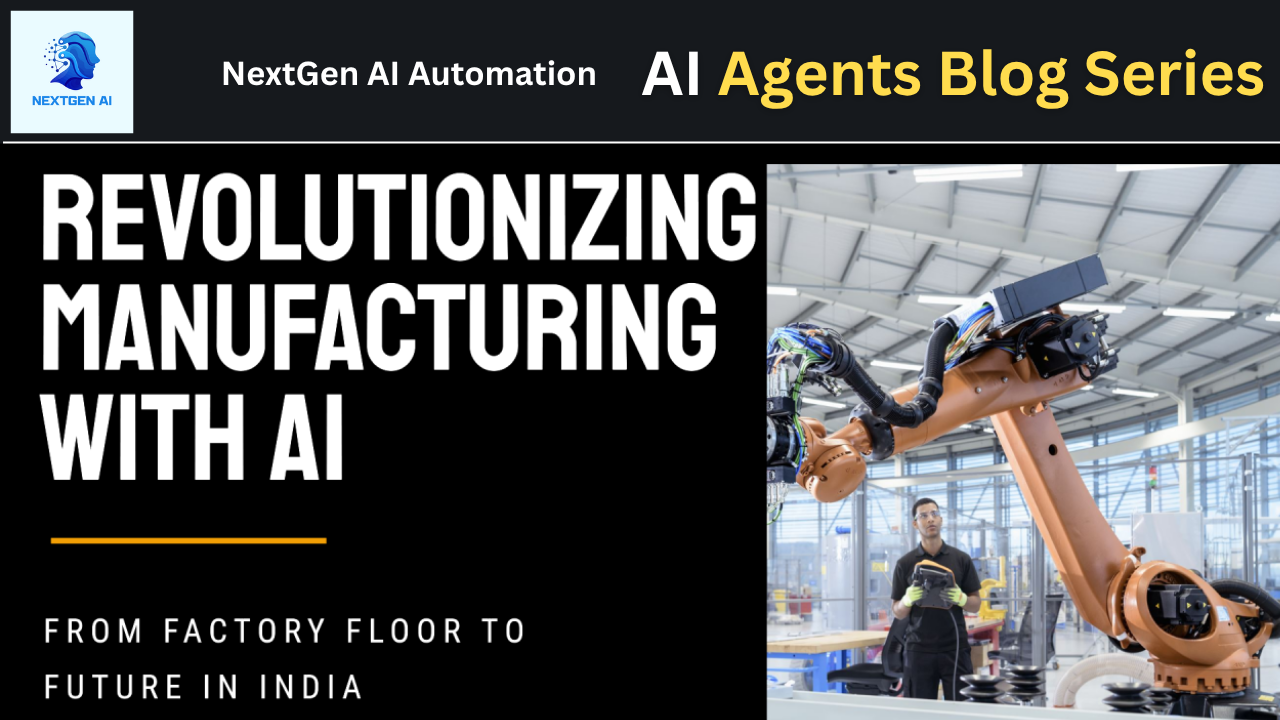
Automation is becoming a core part of industrial production across India.
Modern robotic systems now assist with:
- Packaging
- Sorting
- Welding
- Material movement
- Assembly operations
- Warehouse management
These systems improve speed, consistency, and workplace safety.
Automation does not always replace workers entirely.
Instead, employees can focus on supervision, maintenance, and higher-value responsibilities while repetitive operations are handled automatically.
The combination of robotics and connected systems is helping manufacturers improve operational efficiency significantly.
Better Supply Chain Management
Manufacturing operations depend heavily on efficient supply chains.
Businesses must coordinate:
- Inventory levels
- Supplier communication
- Transportation
- Delivery schedules
- Demand forecasting
Data-driven operational systems help manufacturers improve supply chain planning and reduce delays.
These technologies can:
- Predict demand more accurately
- Improve stock management
- Reduce inventory shortages
- Optimize delivery routes
- Improve operational planning
Efficient logistics management has become increasingly important in today’s competitive business environment.
Why India Is Positioned for Industrial Growth
India has several advantages supporting industrial modernization, including:
- Expanding digital infrastructure
- Growing cloud adoption
- Increasing technology investments
- Strong industrial sectors
- Government support for modernization
- A large workforce
Programs promoting digital transformation are encouraging businesses to modernize operations and improve productivity.
India is also emerging as an important technology hub, creating strong opportunities for industrial innovation and operational modernization.
To explore India’s digital transformation initiatives, visit
Digital India
Challenges Businesses Still Face
Despite rapid progress, several challenges still affect adoption.
High Initial Costs
Advanced operational systems and connected infrastructure can require significant investment.
Smaller businesses may face budget limitations during implementation.
Technical Skill Shortages
Factories require skilled professionals to manage connected technologies and automated systems.
Finding experienced specialists can sometimes be difficult.
Data Management Problems
Modern operational systems depend heavily on accurate data collection and monitoring.
Poor data quality can reduce efficiency and decision-making accuracy.
Organizational Resistance
Some companies hesitate to modernize because of concerns about implementation complexity and workforce adaptation.
However, adoption is expected to increase steadily as technology becomes more affordable and accessible.
The Future of Industrial Production in India
The future of manufacturing in India is becoming increasingly technology-driven.
Over the next few years, industries are expected to invest more in:
- Connected production systems
- Intelligent robotics
- Real-time monitoring
- Energy-efficient operations
- Automated workflows
- Advanced analytics
Businesses that modernize early may gain major advantages in productivity, scalability, and operational performance.
Industrial modernization is expected to play an important role in India’s economic growth over the coming decade.
Learn More About Automation Systems
If you want to understand how automation technologies improve operational workflows, explore this guide:
https://www.nextgenaiautomation.net/
This guide explains how connected operational systems improve productivity and workflow efficiency across industries.
Final Thoughts
Modern digital technologies are transforming factory operations across India.
From predictive maintenance and robotics to connected production systems and automated inspection, manufacturers are increasingly adopting smarter solutions to improve efficiency and remain competitive.
Although challenges such as implementation costs and technical skill gaps still exist, industrial modernization is accelerating steadily.
As businesses continue investing in connected technologies and automation, India’s manufacturing sector is expected to become more efficient, scalable, and globally competitive in the years ahead.