

Meta Description:
As intelligent systems grow more powerful, a new role is emerging—AI Auditors. Discover why this career is becoming essential, what skills it requires, and how you can prepare for this future-proof opportunity.
The Job Nobody Talked About—Until Now
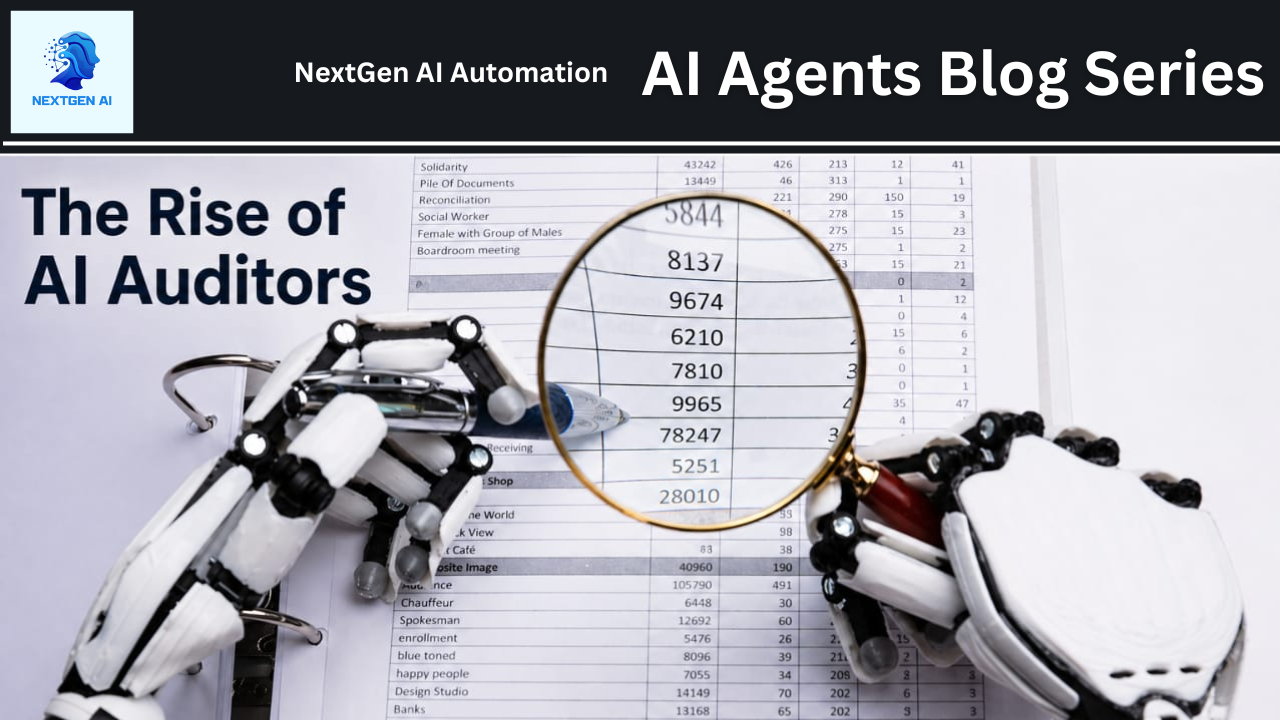
For years, conversations around tech careers have focused on developers, prompt engineers, and automation specialists. But quietly, a new and highly critical role has been taking shape: AI auditing professionals.
This isn’t just another tech job—it carries real responsibility.
As businesses rely more on intelligent systems for decision-making, someone needs to ensure these systems are fair, transparent, and accurate. That’s where this responsibility becomes important.
Think of them as the “inspectors” of the digital world—the people who pause and question the system while everyone else is busy using it.
Why This Role Is Suddenly in Demand
Technology is no longer just assisting humans—it’s influencing hiring decisions, financial approvals, medical recommendations, and even legal outcomes.
That’s powerful. And with that kind of power, risk naturally follows.
Organizations are starting to recognize a few hard truths:
Systems can be biased
They can make mistakes
Decisions aren’t always explainable
At the same time, governments and regulatory bodies across the world are moving toward stricter governance. For example, frameworks like the AI Act by the European Commission highlight the growing need for transparency and accountability in automated decision-making.
Companies don’t want to wait for something to go wrong. They want safeguards in place early.
And that’s exactly why this position is becoming essential.
What Does This Role Actually Do?
This position sits at the intersection of technology, ethics, and analysis. It’s not just about coding—it’s about asking the right questions.
A typical professional in this space might:
Evaluate models for bias and fairness
Review datasets to ensure they’re representative
Test outputs for accuracy and consistency
Ensure compliance with legal and ethical standards
Document risks and recommend improvements
In simple terms, they’re constantly asking:
“Can we really trust this system?”
The Skills That Set You Apart
The good news is—you don’t need to be a hardcore programmer to enter this field.
What you do need is a combination of skills:
1. Data Literacy
Understanding how data works, where it comes from, and how it can sometimes mislead.
2. Critical Thinking
Professionals in this role don’t just accept outputs—they question them.
3. Basic Technical Knowledge
You should understand how models are trained and deployed, even at a conceptual level.
4. Ethics & Policy Awareness
Knowledge of fairness, accountability, and privacy is essential.
5. Communication Skills
You’ll often need to explain complex issues to non-technical stakeholders in a clear way.
Who Can Transition Into This Role?
This is where it gets interesting—this field isn’t limited to engineers.
People from a variety of backgrounds can move into this space:
Journalism and media (fact-checking mindset)
Sociology (understanding bias and social impact)
Law (compliance and regulation)
Business analysts (decision evaluation)
Data enthusiasts and researchers
If you’re someone who naturally questions things instead of taking them at face value, this path might actually suit you better than traditional tech roles.
Real-World Example
Imagine a hiring tool.
Over time, it starts favoring certain candidates—not because they’re better, but because of biased training data.
Without proper review, this issue could easily go unnoticed.
With the right oversight in place?
The bias gets identified, documented, and corrected before it causes real harm.
That’s the kind of impact this work can have.
Why This Role Is Future-Proof
Here’s the reality: these technologies are only going to grow. But so will concerns around trust, ethics, and accountability.
Companies simply can’t afford:
Legal risks
Reputation damage
Unfair outcomes
This position acts as a critical safety layer.
And roles focused on safety and accountability don’t fade away—they become more valuable over time.
How to Get Started
If this path interests you, the best approach is to start small and build gradually:
Learn the basics of machine learning
Explore real-world case studies of bias
Take online courses on ethics in technology
Practice analyzing datasets
Stay updated with evolving regulations
You don’t need to master everything at once. The goal is to build awareness first, then deepen your expertise over time.
Final Thoughts
While many people are focused on building advanced tools, far fewer are stopping to question them.
That’s exactly why this field is becoming indispensable.
In the coming years, the most valuable professionals won’t just be those who create systems—but those who ensure they work responsibly.
If you’re looking for a meaningful, impactful, and future-ready career, this path is definitely worth considering.
Explore Practical AI Systems
For insights into real-world implementation of structured AI workflows, visit:
NextGen AI Automation
https://www.nextgenaiautomation.net/
Community Access
Engage with discussions on AI workflows, automation strategies, and system design:
https://chat.whatsapp.com/Exap1rUcKbwA9nXQINxdb8?mode=gi_t